Refrigerator Water Line Leak in New Augusta: Hidden Damage Repair
A refrigerator water line leak is one of the sneakiest water problems we see in New Augusta homes. The supply line is a quarter inch plastic or copper tube tucked behind a heavy appliance, dripping a few teaspoons an hour into a space nobody looks at. By the time you notice warped flooring, a musty kitchen smell, or a swollen toe kick on your cabinets, the water has already traveled into the subfloor, under the cabinet run, and sometimes into the basement ceiling below.
At New Augusta Water Restoration, we have been pulling refrigerators away from walls across Central Indiana since 2018, and the story is almost always the same. The homeowner thought it was a small drip. The actual damage footprint is four to twelve times larger than the visible stain. We are IICRC certified, BBB A+ rated, and we work directly with your insurance carrier when a claim makes sense. If we look at your situation and decide a claim is not worth filing, or that the damage is small enough to handle yourself, we will tell you directly. This guide answers the questions New Augusta homeowners actually ask when they discover a fridge leak, in the order they tend to ask them.
Refrigerator supply lines are typically thin polyethylene or braided stainless tubing connected to a shutoff under the sink or behind the unit itself. Manufacturers rate them for roughly five to seven years, but plenty of New Augusta homes still have the original line from when the fridge was installed a decade ago. The failure mode is rarely dramatic. A pinhole develops at a crimp, a compression fitting loosens half a turn from vibration, or the saddle valve at the cold water tap corrodes through. The result is a drip measured in tablespoons per hour, which sounds harmless until you do the math. Even a slow leak of one cup per day puts roughly 22 gallons of water into your floor system over a year, and almost none of that evaporates because it is trapped under the appliance and inside the cabinet toe kick.
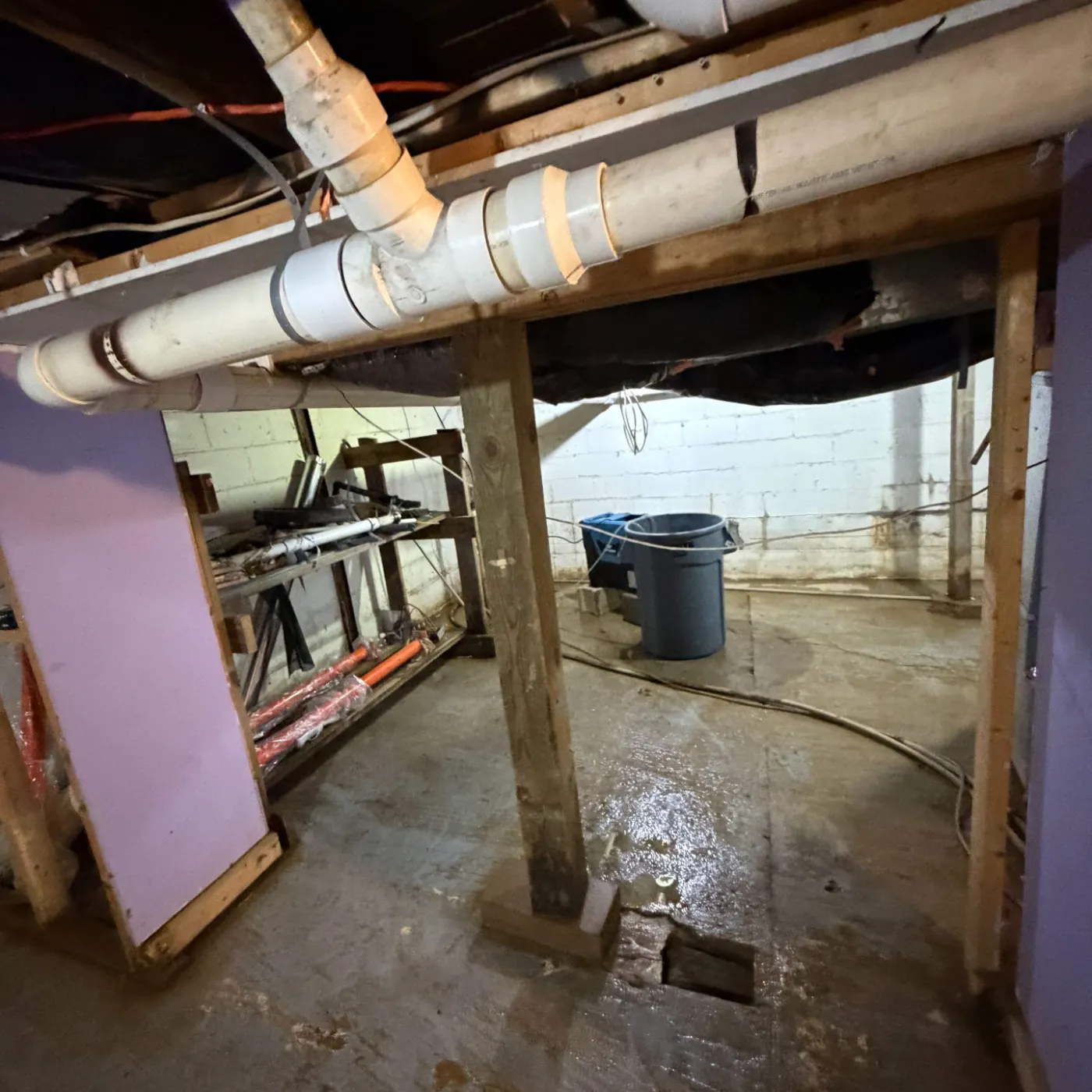
The first place that water travels is downward into the subfloor, and the second place is sideways along the bottom plate of your kitchen wall. In New Augusta homes built on slab, the water tends to pool under vinyl and laminate and lift the planks from below. In homes with a crawl space or basement, gravity pulls the moisture through the subfloor and you may eventually see staining on the ceiling drywall beneath the kitchen, or rusty nail heads on the floor joists. By the time a homeowner notices any of this, the moisture content of the subfloor is usually well above 28 percent, which is the threshold where structural wood starts to lose integrity and mold colonies establish themselves. We have pulled up beautiful three year old luxury vinyl plank in New Augusta kitchens only to find a black ring of microbial growth across the OSB underneath that the homeowner had no idea existed.
The clues that something is wrong tend to be subtle and easy to dismiss. A faint musty smell when you open the lower cabinets next to the fridge, a single warped plank that you assume is a manufacturing defect, a thin discoloration along the baseboard, or the sense that the kitchen just feels humid even with the windows open. Some homeowners notice their hardwood squeaking in a spot it never used to, which is the sound of fasteners losing their grip in softened subfloor. Others find the icemaker producing smaller cubes or running longer cycles, a hint that pressure in the supply line has dropped because water is escaping somewhere upstream of the valve. None of these signs alone confirms a leak, but any two of them together is enough reason to pull the refrigerator out and look.
How We Find the Damage You Cannot See
A proper inspection takes about an hour and starts with the obvious step of shutting the supply line off at the valve. From there our technicians use pinless moisture meters across the flooring in a grid pattern, working outward from the fridge in every direction until readings return to dry baseline. We use thermal imaging to spot temperature anomalies in the wall behind the appliance and in the cabinet bases on either side, because evaporative cooling reveals wet drywall that still looks perfectly normal to the eye. If the leak has been ongoing for more than a few weeks, we will often pull the kick plate off the lower cabinets and use a borescope to look at the cabinet floor and the wall cavity behind it. This is the work that separates a real assessment from a quick glance, and it is the same approach we use when investigating water damage behind walls from any source.
Documentation matters here, both for your repair plan and for your insurance carrier. Most homeowners policies in Indiana cover sudden and accidental discharge from a plumbing supply, which a failed icemaker line qualifies as, but they do not cover long term seepage that a reasonable homeowner should have noticed. The line between those two categories often comes down to how thorough your documentation is. We photograph moisture readings, log the affected square footage, and provide a written scope that uses the IICRC S500 language adjusters expect to see. If you want a deeper read on how those numbers come together, our breakdown of water damage restoration cost walks through what each line item actually means. When a New Augusta Water Restoration adjuster sees readings logged on consecutive days with timestamps, the conversation shifts from whether to pay to how much, and that single shift can be worth several thousand dollars on a kitchen claim.
What Repair Actually Looks Like
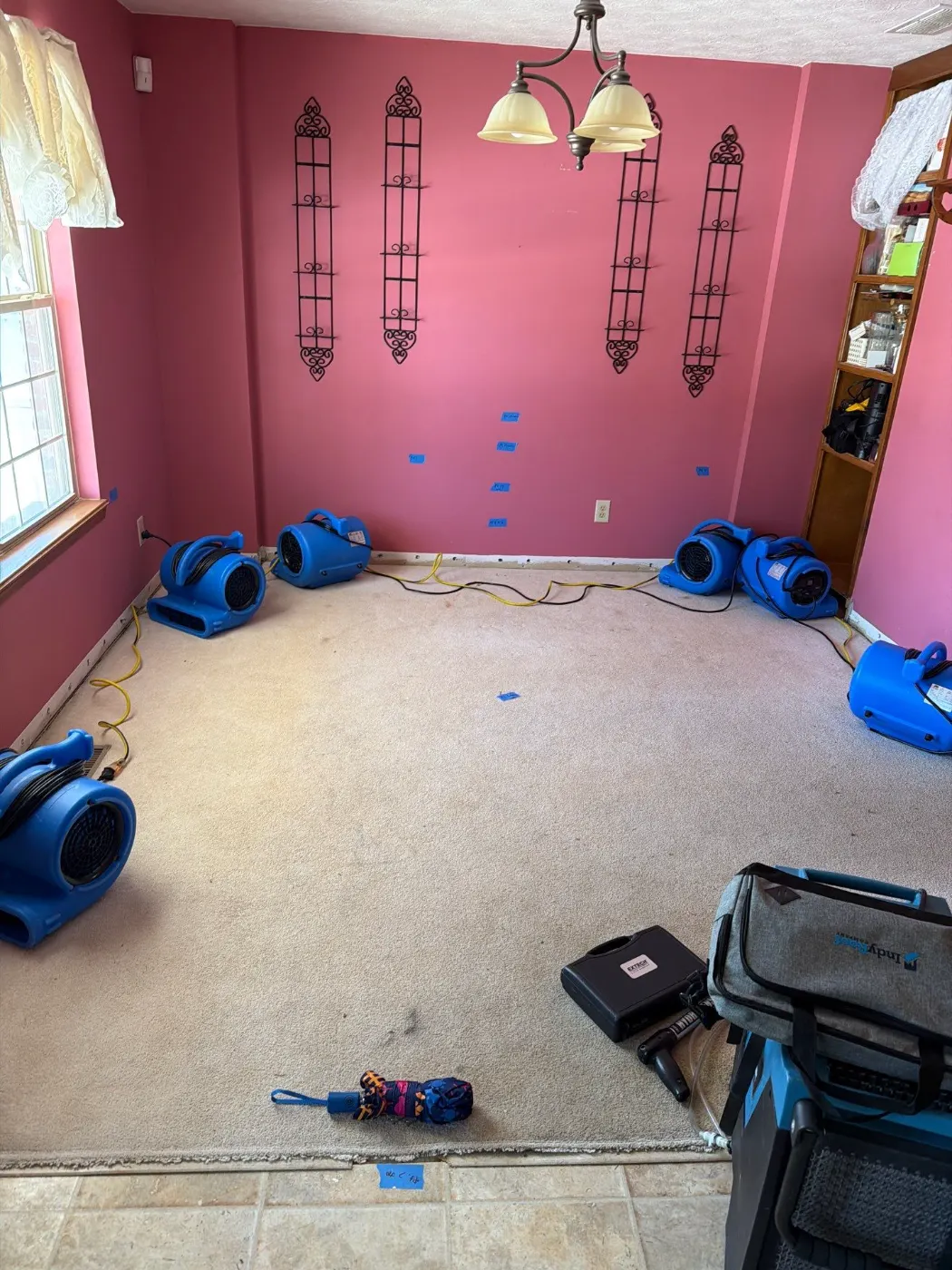
For a contained leak caught early, the work is straightforward. We extract any standing water, set air movers and a low grain refrigerant dehumidifier in the kitchen, and monitor moisture daily until the subfloor and bottom plates return to normal. That kind of project typically runs three to five days and lands somewhere between 1,800 and 3,500 dollars depending on square footage. When the damage has spread, the picture changes. Cabinets with swollen particleboard bases usually need replacement because they cannot be dried in place without warping further. Hardwood that has cupped may flatten back out with controlled drying, but planks that have crowned or separated at the seams are usually past saving, and we will tell you that honestly rather than charge you to attempt drying that will not work. If mold has taken hold in the wall cavity or under the flooring, remediation gets added to the scope and you should expect total project costs in the 4,500 to 9,000 dollar range. Our team coordinates with flooring and cabinet trades across New Augusta so you are not stitching together three different contractors yourself, and we handle the water damage restoration portion start to finish.
One detail worth understanding is the order of operations. Drying has to come before any reconstruction, because trapping residual moisture behind a new cabinet base or under fresh flooring will create a much larger problem within months. We will not let a homeowner short circuit that sequence even when the kitchen is the busiest room in the house and the inconvenience is real. Expect a few days of fans running on low, a dehumidifier you can hear from the next room, and floor sections covered in plastic sheeting while we verify the readings have stabilized. It is unglamorous work, but it is the difference between a repair that holds for fifteen years and one that fails by next winter.
The prevention conversation is short and worth having. Replace your refrigerator supply line every five years with a braided stainless steel version rated for icemaker use, install a quarter turn ball valve instead of a saddle valve if you still have one of those, and pull the fridge out twice a year to look at the floor behind it. A simple battery powered leak alarm tucked behind the appliance costs about fifteen dollars and will scream loud enough to hear from two rooms away the moment it senses moisture. Five minutes of attention beats five days of drying every time.
Get a clear answer on your fridge leak today
A refrigerator water line leak rarely looks as bad as it actually is. The longer it sits, the more it costs to fix. If you have noticed soft flooring, a musty smell near your kitchen, or a stain on the basement ceiling below your fridge, let New Augusta Water Restoration take a look. We will measure moisture, find the real damage footprint, and give you an honest read on whether this is a small dry out or a full restoration. If a quick fix is all you need, that is what we will tell you. Call us anytime, day or night, and we will get a technician on the way.
Frequently Asked Questions
How long can a refrigerator water line leak go unnoticed in a New Augusta home?
In our experience, six to twelve months is common. The line sits behind a heavy appliance, and slow seepage rarely produces a visible puddle. New Augusta Water Restoration typically finds these leaks only after flooring cups, cabinets discolor, or a musty smell develops near the kitchen.
Will homeowners insurance cover hidden fridge line damage?
Usually yes for sudden line failures, often no for slow long-term seepage. The key is documenting the failure point. New Augusta Water Restoration provides moisture readings, photos, and timeline notes that help New Augusta homeowners present a stronger claim to their adjuster.
Can I just dry the floor myself with a fan?
If moisture readings are under 16% in wood or under 1% in concrete, surface drying may work. Anything higher usually means the subfloor, cabinets, or wall cavities are involved. A free inspection from New Augusta Water Restoration will tell you for certain before you spend money on the wrong fix.
How fast does mold grow after a fridge leak starts?
Mold can establish in 24 to 72 hours on wet drywall or cabinet backing. Behind a refrigerator, where airflow is poor and temperatures stay moderate, growth is often faster. That is why New Augusta homeowners should not delay an inspection once a leak is found.
What does refrigerator leak restoration cost in New Augusta?
Small surface cleanups run $400 to $900. Jobs involving subfloor replacement, cabinet repair, and mold remediation typically range from $2,500 to $7,000. New Augusta Water Restoration provides written estimates after on-site inspection, never sight-unseen quotes.
Have a restoration question?
Our IICRC certified New Augusta crew is ready to help. Free assessments, written scopes, no pressure.